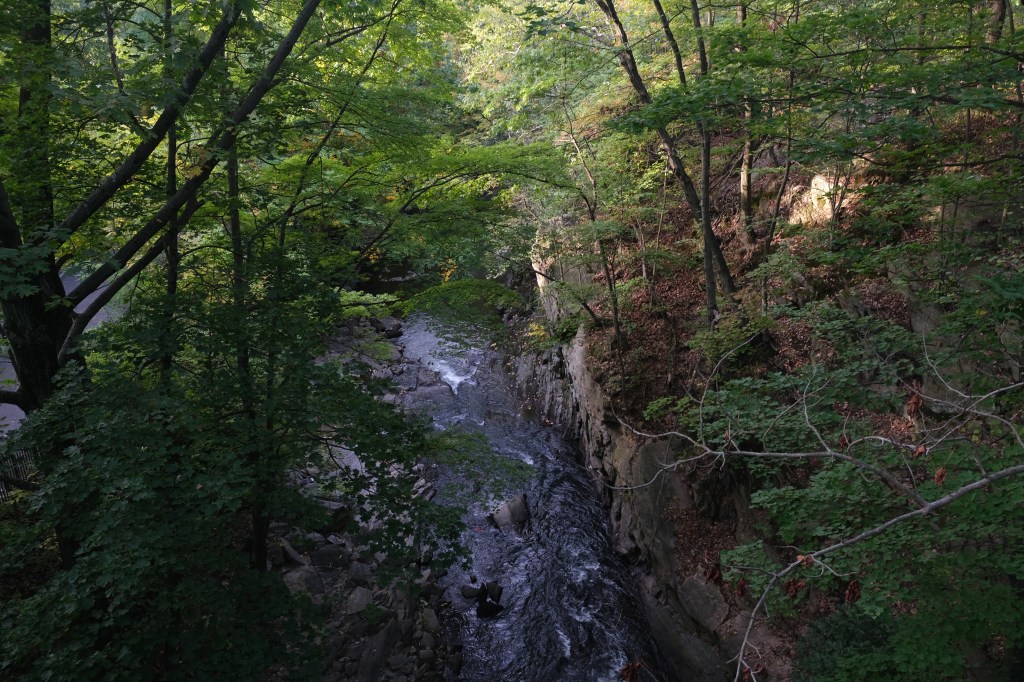
In the last few months, the Bronx River’s water quality has been slowly improving and plans for its reconstruction are beginning to take off.
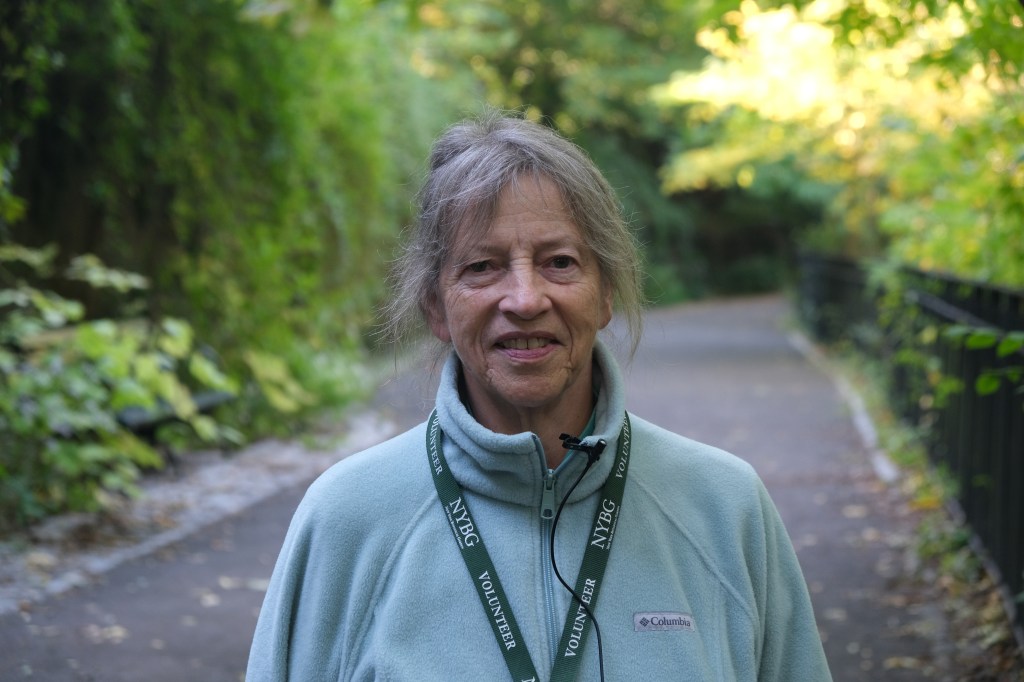
Joanne Strauss is a tour guide at the New York Botanical Garden (NYBG) who has dedicated her time to educating people about their environment. Before retiring from 35 years as a math teacher, she volunteered at the garden for around 21 years.
“I always wanted to do a tour of the Bronx River,” said Strauss. “It has always fascinated me because I knew it was the only freshwater river in New York City.” Now it is one of the areas she most frequently leads tours.
After retiring, she began training as an NYBG tour guide. She finished in 2012 and led her first tour at the Rock Garden. During her time as a tour guide, she was a collaborator on a project to educate Bronx residents about the river.
Strauss and three other tour guides divided themselves into specific topics which went in depth about the River’s history and ecology. This continued for six years.
“The three of us always had fun doing that and people really enjoyed this,” said Strauss. She described the difficulty of doing a tour of the river, saying “ This is not a tour you can give right away, we had to do a lot of research.”
Five years ago during one of her tours, she noticed an insect that she had never seen before. a caddis fly, an indicator of good water quality. Upon noticing the increase of wildlife around the river, Strauss became enthralled with finding out the state of the river’s water.
She decided to branch out by researching and visiting other parts of the river, finding a fish ladder in the Bronx Zoo, and started to notice eels using it as a method of transportation. She found out about the discovery of beavers beginning to reside around the river.
“It’s hard to tell about the water quality level but we do see the wildlife coming back,” said Strauss when asked about the health of the Bronx River.
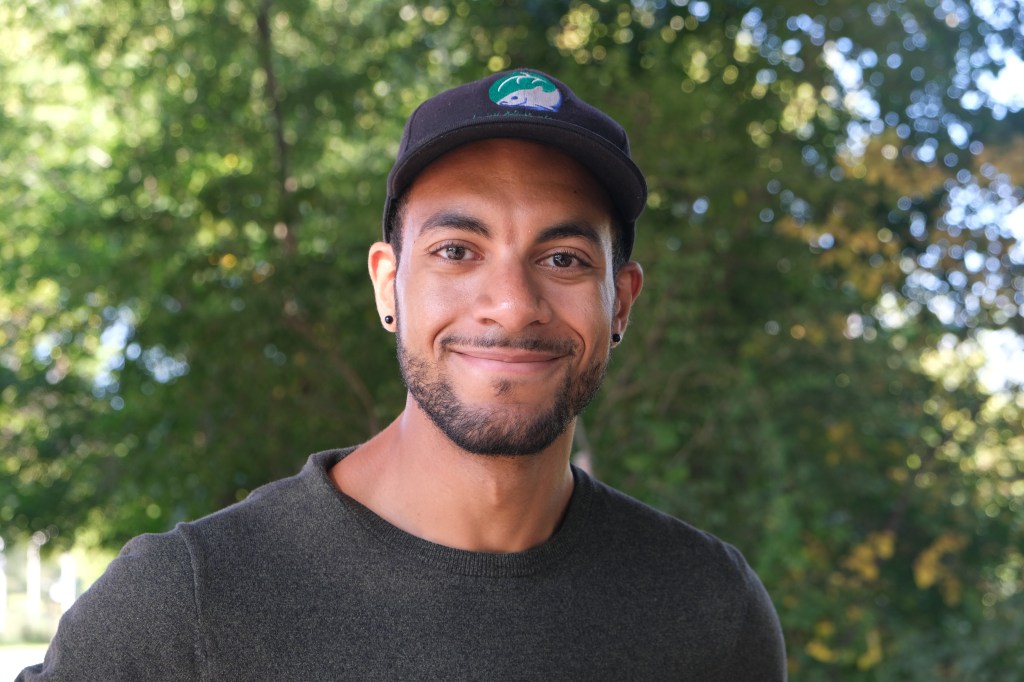
Christian Murphy is the ecology coordinator of the Bronx River Alliance, an organization dedicated to the restoration of the river. He specializes in water quality and the collection of environmental data surrounding the river.
Murphy also noticed the rise in wildlife during his time collecting data on the river. Schools of Atlantic Manhattan fish have become a frequent occurrence in the river’s waters. These oceanic fishes tend to come to estuaries such as the Bronx River to reproduce, their appearance a sign that the river’s waters are healthier.
“This year, and last year, we’ve seen absolutely massive schools of fish, sometimes they blanket the entire surface of the river,” Murphy said. “They’re bringing with them the predators that eat them and so we’re seeing a lot of birds come back.”
This influx of wildlife was due to the work of organizations including the Bronx River Alliance They’ve found success in past projects such as their partnership with the Billion Oyster Project, which released a billion oysters as a natural filtration system for the water of the river.
“ Each summer volunteers and the organizations return to check on their health, to see if other animals are moving in and living among the oysters, and also to test the water quality,” said Murphy. “It’s been a very successful project.”
The Alewife Release Project annually releases about 400 fish into the river. Alewife herrings imprint on the areas they are born into, resulting in an increase of fish in the Bronx River. This project has had a mixed success rate however there are high hopes for future releases.
NYBG assists the Bronx River Alliance in the many projects and activities of the river. Strauss herself has aided in this partnership by collecting plant data surrounding the river, which is sent out to organizations like the Bronx River Alliances for testing.
“We’re able to collaborate on programming. We work with the zoo to do the fish release. We work with both the zoo and the garden to do canoe paddles that pass through the entire length of the river,” said Murphy “We couldn’t do what we do without those partnerships.”
Strauss educates residents about the many dangers the river faces, one of which being sewer and city runoff. According to her, the mouth of the Bronx River used to be all wetlands that absorbed stormwater runoff from entering the river. However, that has all been destroyed due to urban infrastructure.
New York City has a combined sewer system and on days with heavy rainfall, the system becomes overwhelmed. It takes as little as a half of rainfall to cause untreated sewage to flow into local waters such as the Bronx River. This results in about 455 million gallons of untreated sewage getting into the Bronx River yearly.
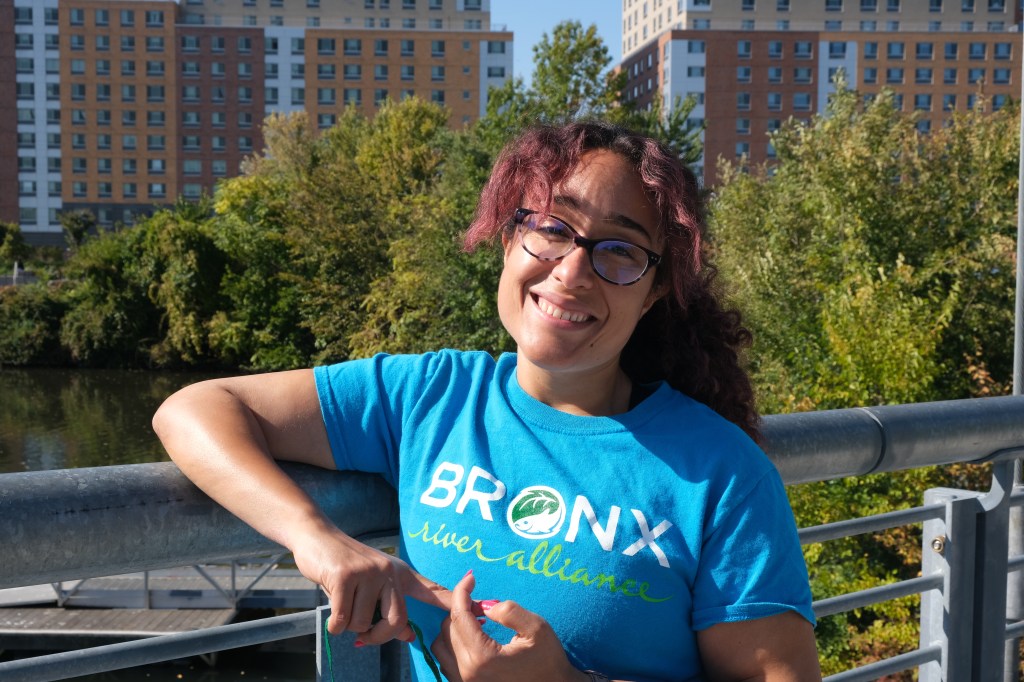
“On a dry day, your wastewater goes to the sewage treatment plant, it’s treated, it’s filtered, it’s taken care of,” said educational coordinator at the Bronx River Alliance Amelia Zaino. “On a wet day, the rainwater and the wastewater go into the same system, and the system cannot handle that extra volume.”
Zaino educates youth on the Bronx River, encouraging them to pursue careers in the sciences. In educating the youth about the environmental concerns of the Bronx River, she has gained insight into the inner workings of the projects surrounding the restoration of the river.
To increase green infrastructure in New York City. They joined the Rain Coalition, a collection of groups around the city that maintains and creates rain gardens. These rain gardens help by collecting stormwater and preventing further runoff in local rivers.
“These are features that absorb stormwater that’s running across the street,” said Murphy. “The entire thing captures the pollution and prevents it from getting into the water.”
Climate change has proved the importance of organizations like the Bronx River Alliance and NYBG. Since the 1900s our temperature worldwide has increased by 1.9 degrees Fahrenheit. Just this summer there was a massive drought, with only eight days of rainfall in July alone.
Toward the end of August, there was a massive fish kill at the northern section of Bronx River. Scientists are still unsure why this event occurred. The Bronx River Alliance noticed the water levels rising and a decrease in the water’s dissolved oxygen, salinity, and pH levels, which suggest that the water was diluted by an unknown source.
“We’ve been trying to figure out why all those fish died on that day,” said Murphy. “We believe that it may have come from a sewer somewhere in Westchester County, a very unusual event. Sewers don’t normally pump out like a huge gush of material.”
Due to the effects of climate change, the Bronx River Alliance has decided to update its Intermunicipal Watershed Management Plan (IWMP), which was created in 2010. Updating the IWMP it will open the range of projects that will focus on combating climate change.
Projects surrounding environmental concerns tend to be underfunded by our governments. Murphy and Zaino describe the several-year struggle of getting a project approved. However, as governments realize the severity of climate change, there is hope in ensuring a better future.
“We’re working with the city to try to increase funding for parks, which will in turn increase funding that we can do on the Bronx River,” said Murphy. “We want people to be more invigorated to make their voices heard. We’re doing all that we can and would love for other folks to join us.”
The Bronx River Alliance often holds volunteer opportunities for anyone to attend. Zaino spoke on the many free events held for community involvement, such as canoeing and classes on gardening.
Strauss’ tours are free to the public, educating all on the history of the river and the environment surrounding it. She marvels at the awe on everyone’s faces once they witness the beauty of the Bronx River, which then inspires her to do her tours.
“I don’t even think they’re aware of the Bronx River,” said Strauss when asked about audience reactions to her tours. “I’ve had people come on tours say, ‘ I didn’t know that much about the Bronx River. Look at it. It’s beautiful.”
 Pamela Y. Rozon's Portfolio
Leave a comment