
By: Pamela Rozon
Community activist turned gardener Martin Rogers is one of the many residents and silent heroes of the South Bronx.
When meeting Rogers for the first time one becomes acutely aware of his need to help others around him. An active member of his community, he sparks up a conversation with anyone who comes his way.
“I call him the ‘mayor of the Bronx’ because he does know everybody,” said longtime friend Mary Anne Christopher.
Rogers, 67, is a community activist and gardener who lived most of his life in the South Bronx. He worked for 38 years as a manager at a community resource center for the developed mentally disabled and retired in 2015.
Despite his love for the community, he is aware of the issues rooted in it. Rogers says growing up there was no easy task as the streets were filled with crime.
“My poor father worked three jobs and he got mugged a few times on the block because he came home late,” said Rogers. ” My father taught me things; you hide your money in your sneakers so if they mug you, they’d get a few dollars, but they didn’t get the main thing.”
As he was growing up his two older brothers were politically active and were part of the peace movements against the Vietnam War. He spent most of his teen and adult years in fear of the draft.
While crime was always synonymous with the Bronx, the trauma experienced by returning Vietnam veterans led to a rise in drug use. People got desperate and stole anything in order to aid their addictions. Some even stole parts of buildings such as brass railings or donated their blood to get money for drugs.
“Heroin created so much dysfunction and broke people’s lives, forcing them into a life of crime,” said Rogers. “That made everybody start locking doors more and being afraid of looking over their shoulder.”
During the late 1970s, the South Bronx began to burn which displaced many residents. At the time he lived with his parents and three brothers at 151st street. Rogers was distressed upon seeing many friends and family pack up and leave the Bronx due to the fires and the rise of crime.
He said the reason these apartments burned was that landlords decided they would make more money burning down the buildings rather than collecting rent. Landlords would pay a person to enter the building at dawn with a gallon of gasoline and by early afternoon the apartment would be gone.
“We became identified by our dysfunction,” said Rogers. “Drug addiction is a dysfunction, fires burning people out of their homes is a dysfunction, crime is a dysfunction of the society, and we became stigmatized by it to this day.”
72-year-old Francine Rogers, a retired Catholic school teacher, is his lifelong volunteering “partner in crime.” She has lived in the Bronx for over 40 years and has decided to devote her time to helping make the community safe.
While fires continued to ravage the borough, Mayor Edward Koch announced the closure of one of the busiest firehouses in the city. In 1986, Martin and Francine, as a part of the South Bronx People for Change, decided to fight to keep Engine 41 alive.
“We don’t get police services like they do in Manhattan. [We] don’t get sanitation like they do in Manhattan?” said Rogers. “Does it have anything to do with the color of our skin or our socio-economic background…”
They took the fight for Engine 41 to court and sued the city for environmental racism, but regardless of their minor judicial victories, the mayor still decided to forcefully close and evacuate the firehouse in 1989. The community was furious and responded with protest, with Francine on the front lines. Meanwhile, Martin and his friend Mark Coleville accessed the firehouse and handcuffed themselves to the underside of the firetruck.
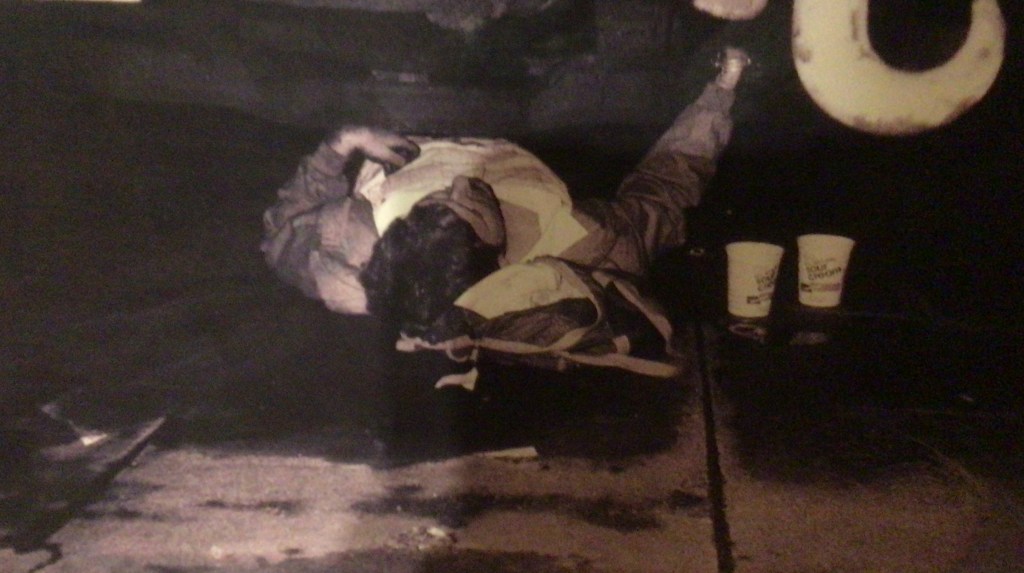
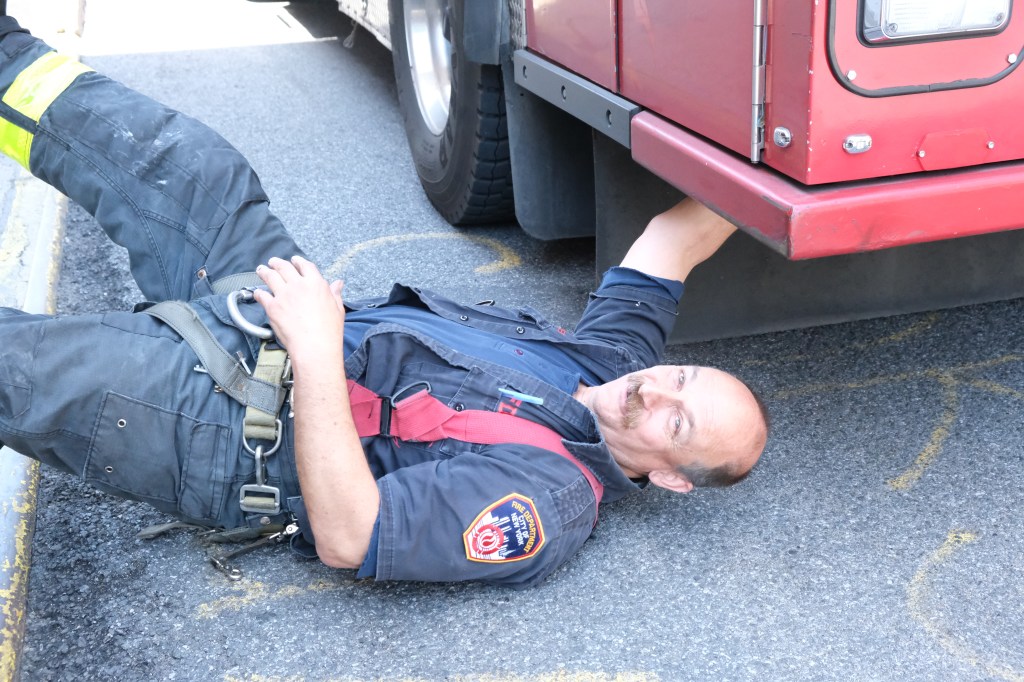
“The cops are coming in, firemen are cursing because they’re so angry, so hurt. They made the firemen take out their stuff in black garbage bags,” said Rogers.
Hours later, their lawyer Peter Garcia told them that the judge had decided they wouldn’t take down the firehouse and the police wouldn’t arrest them. Covered in grease and dirt, the two uncuffed themselves and left the firehouse.
That firehouse closed for 14 months during which 14 people were killed in fires. Martin and Francine Rogers entered the political sphere by endorsing David Dinkins who promised to reopen Engine 41 and did so upon election in July of 1990.
“It was a great experience that showed the power of the people,” said Francine Rogers.
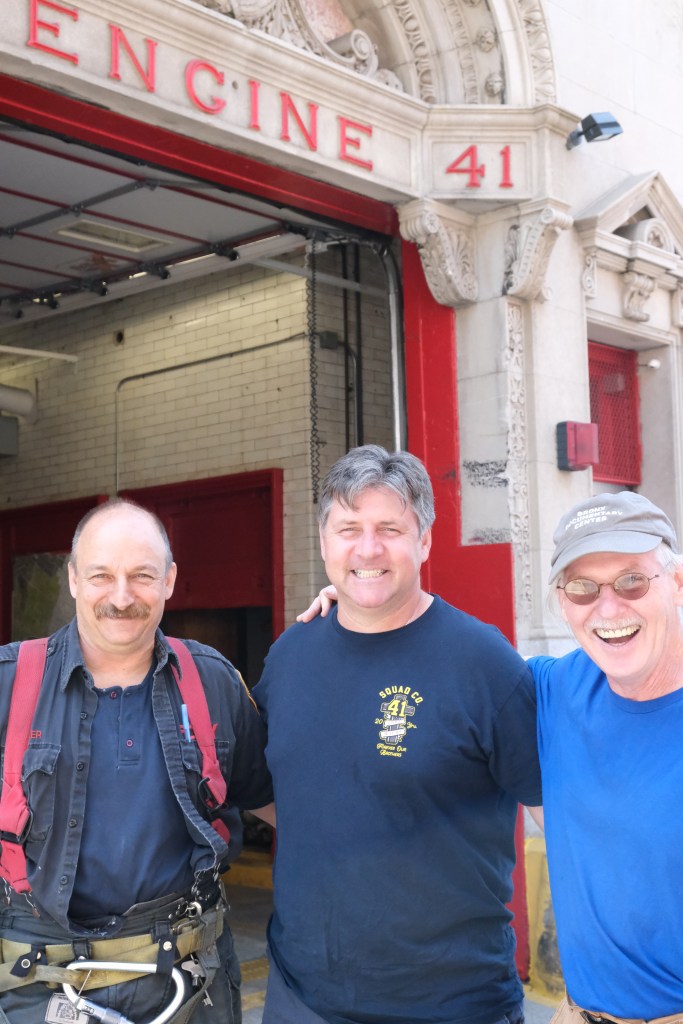
The fires had left a lot of opportunities to rebuild the Bronx. A five-story apartment building at 360 East 151 Street from Rogers’ childhood was now a dumping ground.
Brother Ed, a member of his church, thought they should turn it into a community garden, and with Francine’s prior gardening experience they started work in 1983. While the city provided basic materials, the community truly stepped up to build the garden.
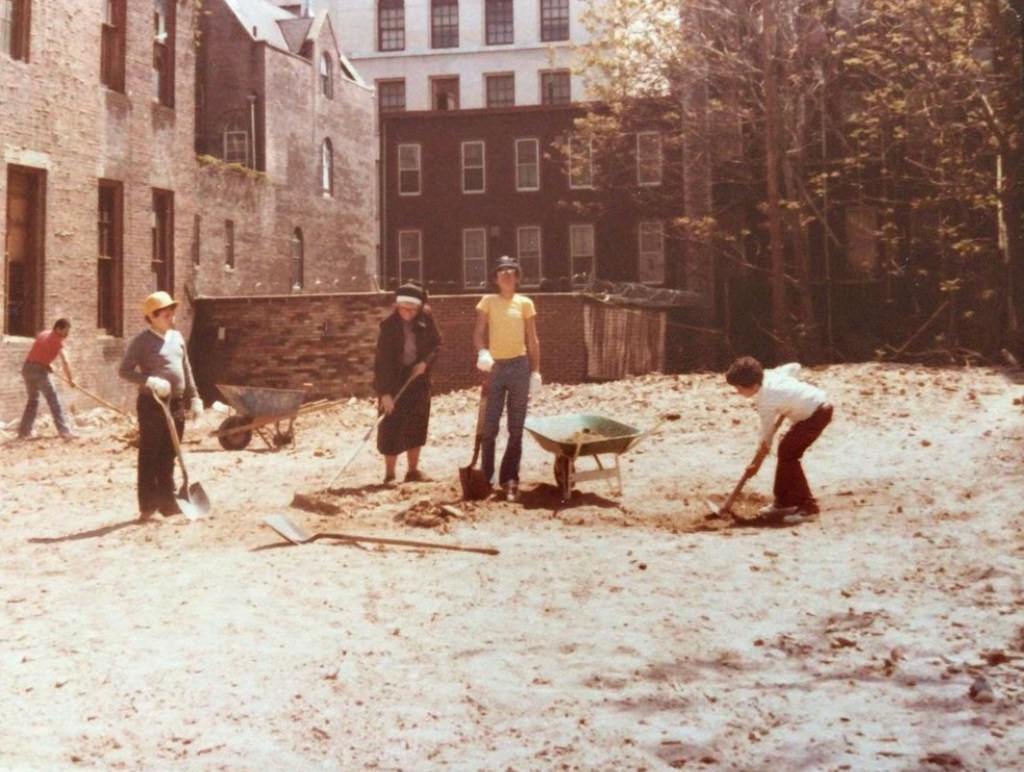
“ Every Saturday a group of people came to the garden, came to the empty lot, cleaned out all the garbage that was a big job,” said Rogers.
In 1994, Mayor Rudy Guiliani decided to seize all vacant lots and sell them. Despite knowing that many of them were now gardens, he unleashed a crusade against them. Gardeners from every borough joined together and sued the city.
The Attorney General of the State of New York Eliot Spitzer, in cooperation with an organization called the Trust for Public Land, came to an agreement with the mayor to save 18 of the gardens. The East 151 street garden now prospers under the name of the Advisory Committee Garden
“The garden’s nature is the perfect example of diversity, living together, and beauty,” said Christopher. “The garden really does bring people together. We’ll have barbecues there and it’s great because it’s all different people.”
The garden has become a hub for community service inspiring others to volunteer. In 2017 a seventh-grade student, from Immaculate Conception asked teacher Trista Rivera how they can help their community.
Rivera, along with the School’s principal and Rogers decided to create “Hope Walks.” Every Monday, Wednesday, and Friday, they would hand out food and drinks to the homeless
“We started doing it once in a while, a few times a year, and it was through those kids, those kids did it,” said Rogers.
During the pandemic, when the Bronx’s drug epidemic among the homeless became more apparent, Christopher started volunteering with the Hope Walks. Saying they changed her by giving her the confidence to help others.
She also says Rogers is a major part of that change as he inspires others to volunteer. The South Bronx is full of issues relating to drug use, homelessness, and inequity, so joining the efforts made by those like Martin Rogers is more important than one might think.
“He is inspiring. I think he opens the door to what everybody has inside of them,” said Christopher. “If you hang out with Martin for long enough, you start to realize that this is something that I can do too… it’s not just Marty’s responsibility, it’s everybody’s”
 Pamela Y. Rozon's Portfolio
Leave a comment